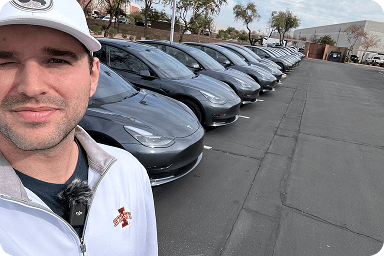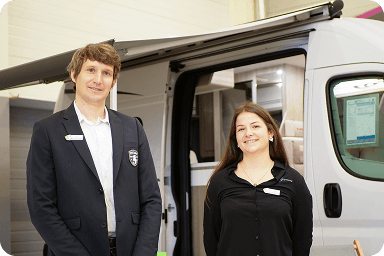


High Flying Rentals runs out of Phoenix with a fleet that covers the full range — from everyday people-movers to C8 Corvettes, G-Wagons, and Porsches — and Alex is now moving into travel trailers, with 10 right now and more on the way.
The challenge
Getting from one car to 75 isn't a straight line, and the challenges don't simplify with scale. The biggest one Alex keeps running into is market exposure: in Phoenix, 90–95% of his customers are travelers. When travel slows, his business feels it. Gas prices, economic headwinds, seasonal dips — they all land directly on his bottom line.

The other challenge is standing out. Travelers can book a car from a dozen places. Why choose a local operator over one of the major chains?
What sets High Flying apart
Alex's answer is pretty direct: the car you book is the car you get.
At the big chains — he won't name them, but you know the ones — you can reserve an SUV for a family road trip, show up at the counter, and drive away in something completely different because that's what they have. High Flying doesn't work that way. If you booked a G-Wagon, you're getting the G-Wagon.
“He's doing something the auto rental category rarely bothers with: treating it like a hospitality business.”
The RV world has always leaned into the experience side of things, but car rental has mostly kept itself in the "pure transportation" box. Alex sees that as an opening, especially for higher-end vehicles and adventure itineraries.

A recent example stuck with him: a couple flew in from England, picked up a G-Wagon in Phoenix, wound through the Grand Canyon, Arches, and a few national parks, and dropped it off in Vegas. His team drove the G-Wagon back from Vegas. That's not a rental transaction, that's a vacation.
Why Ride
Alex got onto Ride before the demand fully caught up with the supply in his market. He knows that. He'll say it himself.
“This is like first mover advantage. I want to get in there because I want to have tenure on Ride. I want to be one of the first movers.”
He's not there for the short-term numbers. He's watching where Outdoorsy is heading — the roadmap, the autonomous vehicle direction, the way the company actually loops operators into its thinking. In a space where most platforms treat operators as interchangeable, that matters to him. He's playing a longer game.
What's next
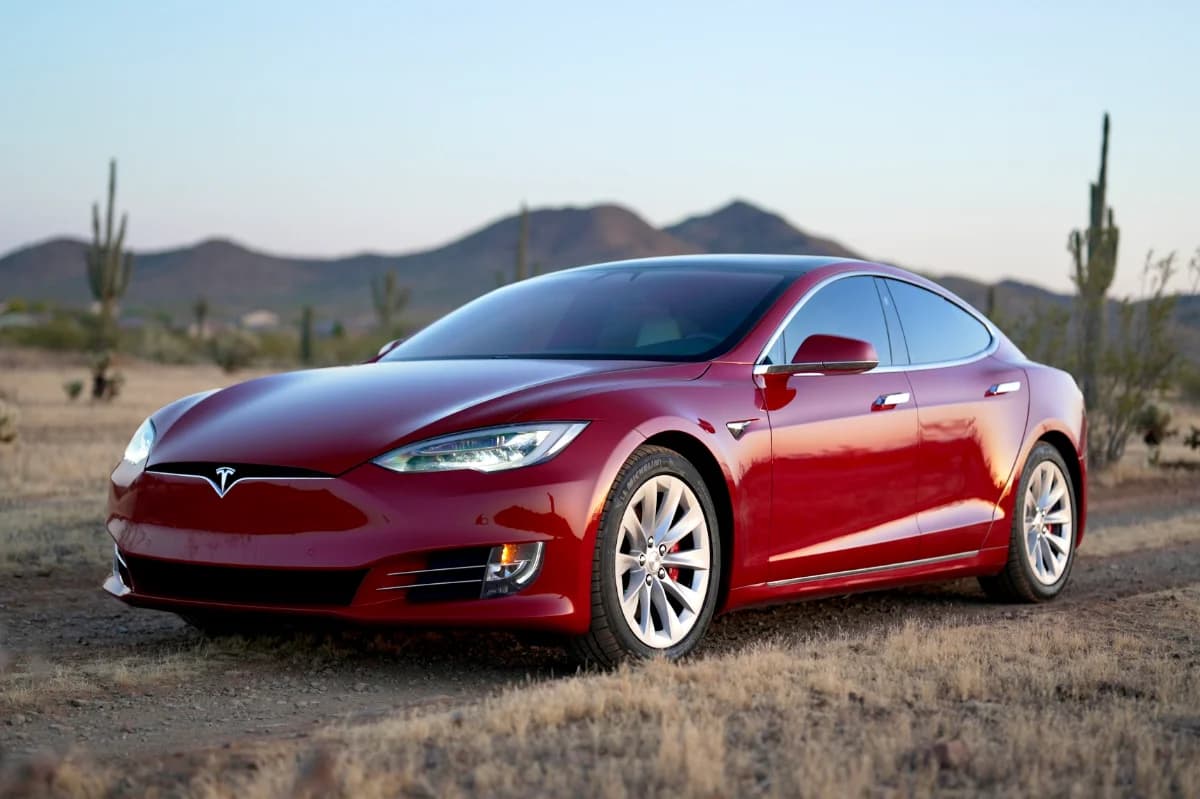
Alex is getting into travel trailers, learning from operators who've been doing RV rentals for years and pulling those lessons back into how he runs his auto fleet. He's also leaning hard into EVs — he and his wife both drive them, and several rentals in his fleet are electric in areas where Phoenix's charging infrastructure supports it.
The goal isn't just more vehicles. It's to already be there — established, tenured — when the next wave of demand arrives.